%2Ffit-in%2F250x250%2Fguide_websites%2F11702%2Fimages%2Fdreamakers.png&w=1920&q=100)
/users/0bc97386-26d4-463d-a32e-7f9eb0f4e29f/ratecard/rate_.png)
%2F300x300%2Fusers%2F0bc97386-26d4-463d-a32e-7f9eb0f4e29f%2Fratecard%2Frate_.png&w=256&q=75)
%2F300x300%2Fusers%2F0bc97386-26d4-463d-a32e-7f9eb0f4e29f%2Fimages%2Fflorida-pompano-naples-fishing-2526.jpg&w=256&q=75)
%2F300x300%2Fusers%2F0bc97386-26d4-463d-a32e-7f9eb0f4e29f%2Fimages%2Fnaples-florida-redfish-fishing-2568.jpg&w=256&q=75)
%2F300x300%2Fusers%2F0bc97386-26d4-463d-a32e-7f9eb0f4e29f%2Fimages%2Fnaples-florida-fishing-catch-celebration-2364.jpeg&w=256&q=75)
%2F300x300%2Fusers%2F0bc97386-26d4-463d-a32e-7f9eb0f4e29f%2Fimages%2Fnaples-florida-redfish-catch-2432.jpg&w=256&q=75)
%2F300x300%2Fusers%2F0bc97386-26d4-463d-a32e-7f9eb0f4e29f%2Fimages%2Fnaples-florida-snook-fishing-2368.jpg&w=256&q=75)
%2F300x300%2Fusers%2F0bc97386-26d4-463d-a32e-7f9eb0f4e29f%2Fimages%2Fcrevalle-jack-naples-florida-fishing-2471.jpeg&w=256&q=75)
%2F300x300%2Fusers%2F0bc97386-26d4-463d-a32e-7f9eb0f4e29f%2Fimages%2Fspeckled-trout-naples-florida-fishing-2472.jpeg&w=256&q=75)
%2F300x300%2Fusers%2F0bc97386-26d4-463d-a32e-7f9eb0f4e29f%2Fimages%2Fnaples-snook-fishing-catch-2585.jpeg&w=256&q=75)
%2F300x300%2Fusers%2F0bc97386-26d4-463d-a32e-7f9eb0f4e29f%2Fimages%2Fsnook-catch-naples-florida-fishing-2361.jpg&w=256&q=75)
%2F300x300%2Fusers%2F0bc97386-26d4-463d-a32e-7f9eb0f4e29f%2Fimages%2Fredfish-caught-naples-florida-2465.jpg&w=256&q=75)
Expert 8-Hour Naples Inshore Fishing Adventure
 Naples, Florida, USA
What you will be catching:
 Florida Pompano
 Goliath Grouper
 Redfish
 Snook
Snook Tarpon
- This full-day inshore fishing trip with Dreamaker Fishing Charters gives you 8 hours to target some of Southwest Florida's best gamefish. You'll fish the productive waters around Naples for snook, redfish, tarpon, and goliath grouper, plus pompano, snapper, shark, and barracuda. Perfect for beginners or anyone wanting to improve their skills
- your guide provides all the gear, licenses, bait, and local knowledge. With plenty of time on the water, you can move between different spots and adjust your approach based on what's biting. The boat handles up to 4 people, so it's great for families or small groups looking for a hands-on day of fishing in some of Florida's most productive inshore waters.
Trip Pricing and Availabilities:
Full-Day Naples Inshore Charter
Picture yourself casting into the crystal-clear backwaters of Naples, Florida, where snook hide in the mangroves and tarpon roll just beyond the grass flats. This isn't your typical half-day fishing trip – we're talking about a proper 8-hour adventure that gives you the time to really get into the rhythm of inshore fishing. With Dreamaker Fishing Charters, you'll have a seasoned local captain who knows these waters like the back of his hand, plus all the gear, bait, and licenses you need to make the most of Southwest Florida's world-class fishing. Whether you've never held a rod or you're looking to dial in your technique, this full-day trip offers the perfect mix of relaxed fishing and genuine learning opportunities on some of the Gulf Coast's most productive waters.
What to Expect on the Water
Your day starts early – and trust me, it's worth dragging yourself out of bed for. Naples' inshore waters are at their best in the morning hours when the fish are active and the boat traffic is light. You'll meet your captain at one of the local marinas, where he'll give you a quick rundown of the game plan and safety basics. The beauty of an 8-hour charter is that you're not rushed – if the snook are being finicky around the docks, you've got time to move to the grass flats for redfish, or head to deeper structure for some grouper action. Your guide will read the conditions, tides, and fish behavior throughout the day, adjusting tactics and locations to keep your lines tight. The vibe is relaxed but focused, with plenty of opportunities to learn proper casting techniques, bait presentation, and how to read the water like a local. Groups of up to 4 anglers fit comfortably, making this perfect for families, couples, or a small group of friends who want personalized attention.
Techniques and Tackle
Inshore fishing in Naples is all about versatility and finesse. Your captain will have you covered with a range of techniques depending on what's biting and where you're fishing. Live bait fishing is king here – we're talking about fresh shrimp, pilchards, and pinfish that'll get the attention of everything from snook to tarpon. You'll learn how to present live bait around structure, how to work the tide lines, and the art of sight fishing when conditions are right. Artificial lures play a huge role too – topwater plugs for those heart-stopping snook strikes at dawn, soft plastics for working the grass flats, and jigs for probing deeper holes where grouper like to hang out. The tackle setup varies by target species, but you'll typically be using medium to medium-heavy spinning gear that's forgiving for beginners but effective enough to handle serious fish. Your guide will walk you through proper hook-setting techniques, fighting fish without losing them, and how to handle different species safely for photos and release.
Target Species Breakdown
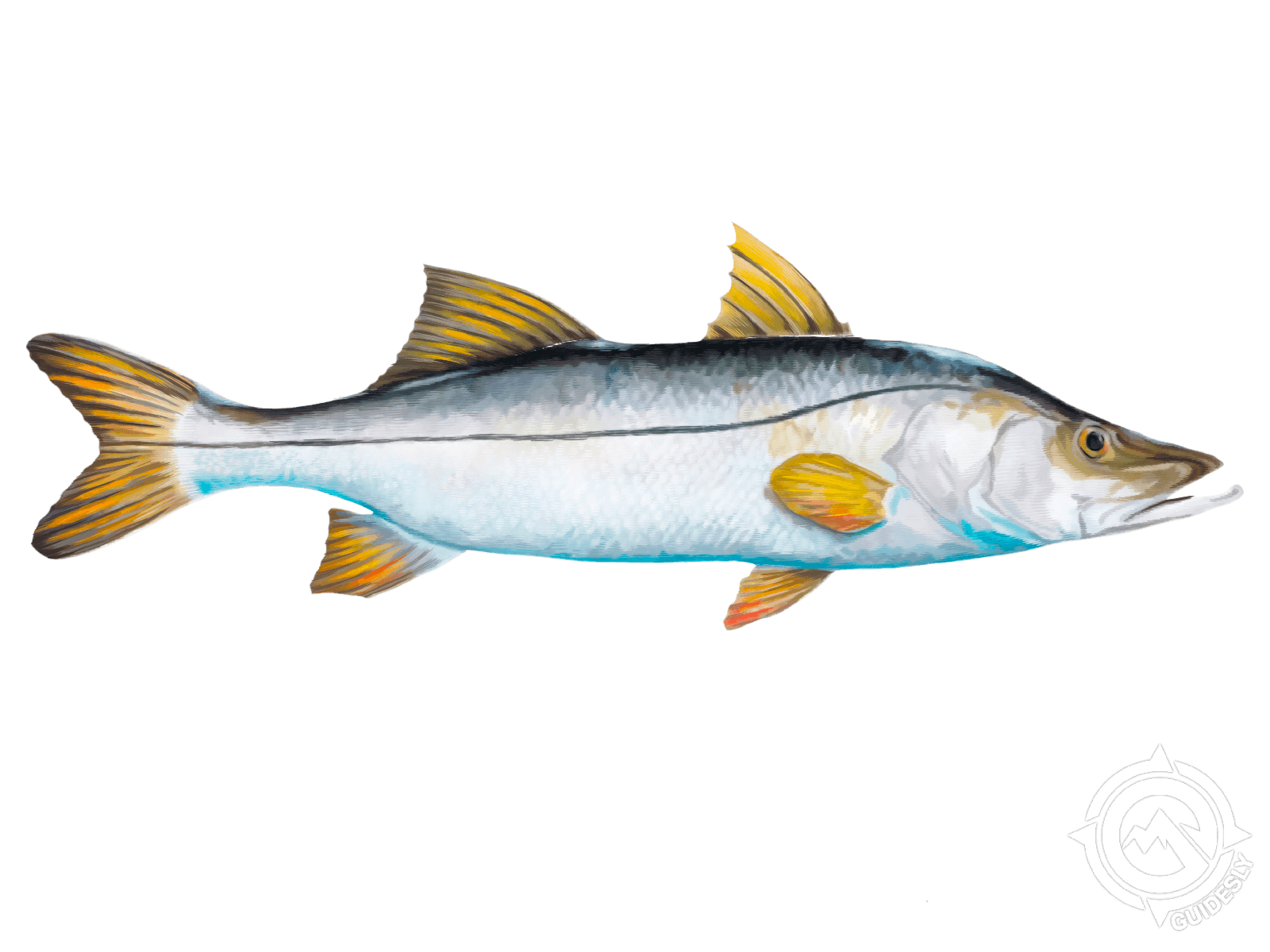
Snook are the crown jewel of Southwest Florida inshore fishing, and for good reason. These ambush predators lurk around mangrove shorelines, docks, and bridge pilings, waiting to demolish whatever looks like an easy meal. They're incredibly structure-oriented, so you'll be making precise casts tight to cover – sometimes just inches from the mangroves. Snook have a distinctive black lateral line and that unmistakable bucket mouth, and they fight with explosive runs and gill-rattling jumps. The best action typically happens during the warmer months from spring through fall, with dawn and dusk being prime time. What makes snook so special is their combination of accessibility and fight – they're not the biggest fish in the bay, but pound-for-pound, few fish will test your drag and reflexes like a slot-sized snook.
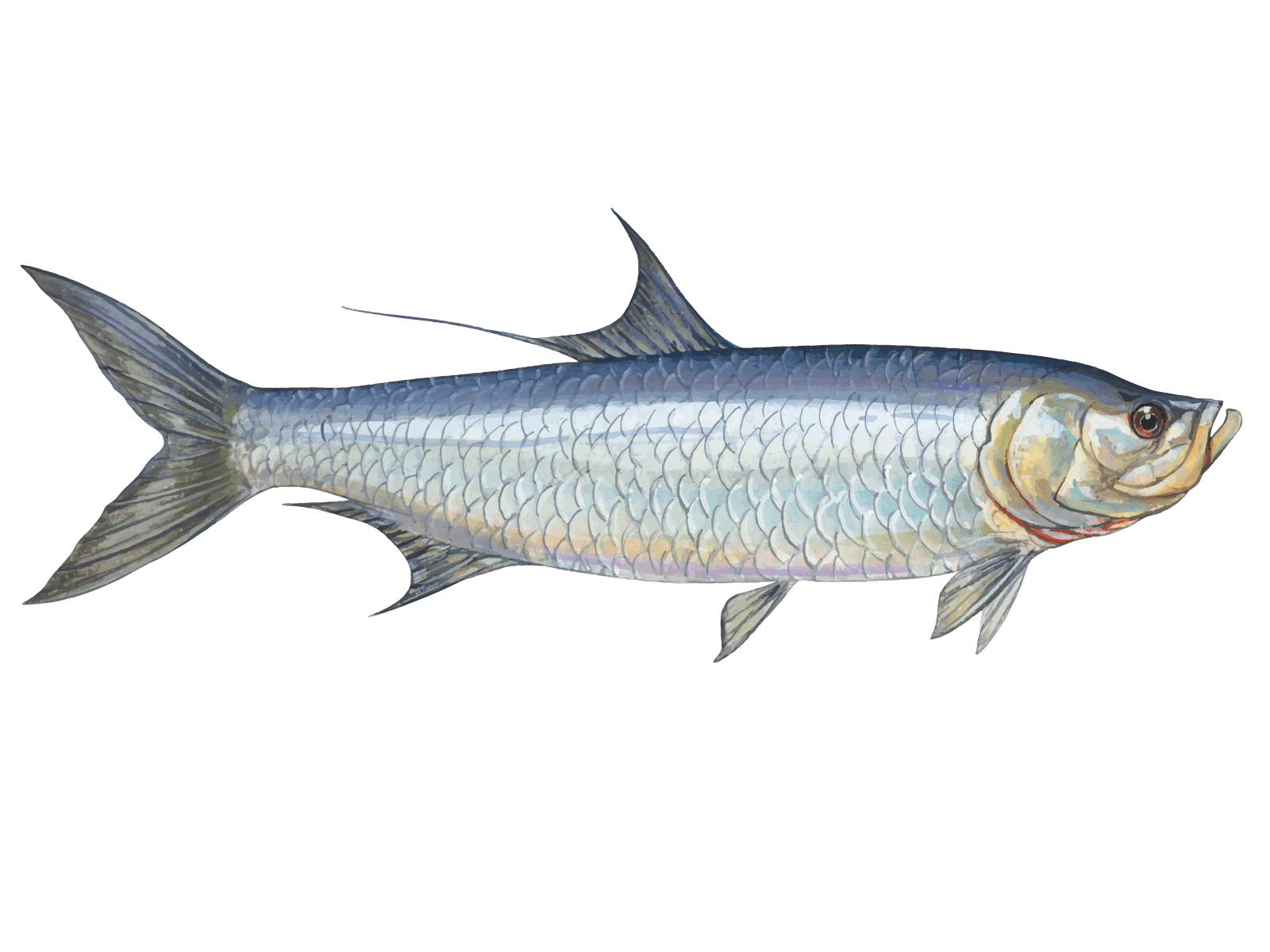
Tarpon fishing in Naples waters is something every angler should experience at least once. These prehistoric giants can range from juvenile "baby" tarpon in the 10-30 pound range that frequent the backcountry, to massive adults exceeding 100 pounds that patrol the nearshore waters. Tarpon are famous for their spectacular aerial displays – when hooked, they'll launch themselves completely out of the water in a series of cartwheels that'll get your heart racing. Peak tarpon season runs from late spring through early fall, with the famous tarpon migration bringing larger fish through the area. The key to tarpon success is live bait presentation and having the right drag settings – too tight and they'll throw the hook, too loose and you'll never turn them. Your guide will coach you through the entire process, from the initial hookset to managing those incredible jumps.
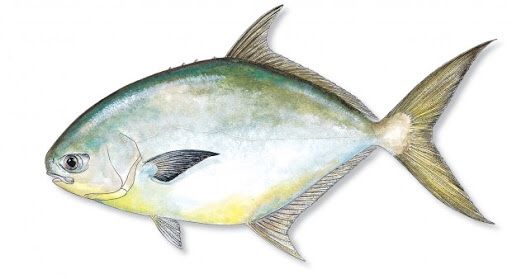
Florida Pompano might not be the biggest fish in the bay, but they're arguably the most prized by local anglers who know good eating fish. These silver beauties cruise the sandy flats and grass beds, feeding on small crabs, shrimp, and worms. Pompano are notoriously spooky, so successful fishing requires stealthy approaches and natural bait presentations. They typically run 1-4 pounds, but what they lack in size they make up for in fight and table fare. Spring and fall are prime pompano seasons in Naples waters, when they move through in schools during their seasonal migrations. The challenge with pompano is their soft mouths – you need to maintain steady pressure without pulling the hook, making them excellent fish for learning proper fighting techniques.
Goliath Grouper represent one of the most impressive success stories in marine conservation. These massive fish, which can exceed 400 pounds and live over 50 years, were nearly extinct in Florida waters but have made a remarkable comeback. Finding a goliath grouper is about knowing the structure – they love ledges, wrecks, and deep holes where they can ambush prey. The experience of hooking into one is unforgettable – it's less like fighting a fish and more like being connected to a Volkswagen that doesn't want to move. All goliath grouper must be released immediately, but the photo opportunities and bragging rights last forever. Summer months offer
Learn more about the species
Florida Pompano
Florida Pompano are one of the most sought-after fish in our waters - and for good reason. These silvery beauties typically run 1-3 pounds, though we occasionally see them push 8-9 pounds. They're built flat and tall, with that distinctive yellow coloring on their fins that makes them easy to spot. You'll find them cruising the Gulf beaches and shallow flats where there's plenty of shrimp and mollusks to feed on. Summer and fall are prime time since they head deeper when it cools off. What makes guests love targeting them? They're absolute fighters for their size - being part of the Jack family means they'll give you a real battle. Plus, they're table fare doesn't get much better. Here's a local tip: use small hooks and bounce your bait off the bottom to get their attention. These fish aren't shy and will come investigate the commotion.
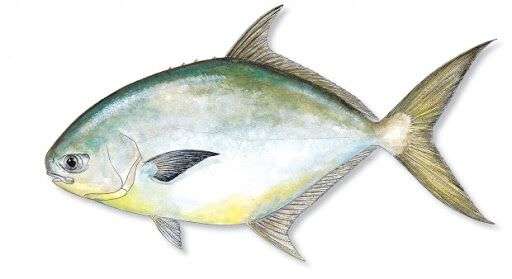
Goliath Grouper
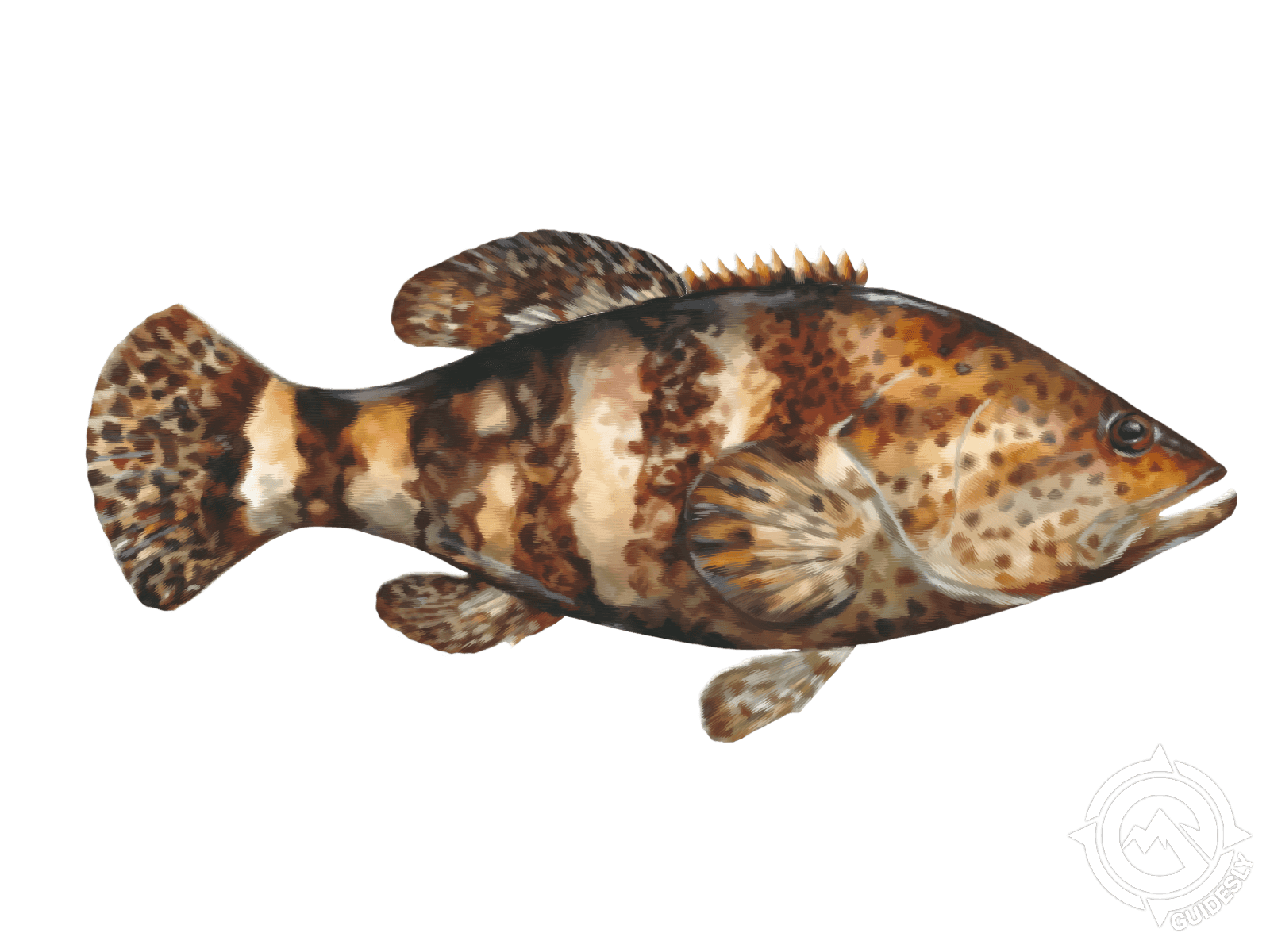
Goliath Grouper are the giants of our inshore waters - true bucket list fish that can reach 8 feet and 800 pounds, though most we see run 100-300 pounds. These prehistoric-looking fish hang around structure in 20-150 feet, particularly wrecks, ledges, and coral formations. They're protected, so it's strictly catch-and-release, but the experience is worth it. Spring through fall gives you the best shot when they're more active in warmer water. What draws anglers? That first pull will nearly yank you overboard - it's pure power, though the fight is usually short-lived. They're curious fish too, often approaching divers and following boats. The key is heavy tackle - 50-80 class reels with 400-600 pound line minimum. Here's the critical part: anchor close enough to draw them out, but far enough to pull them away from structure before they break you off on the rocks.
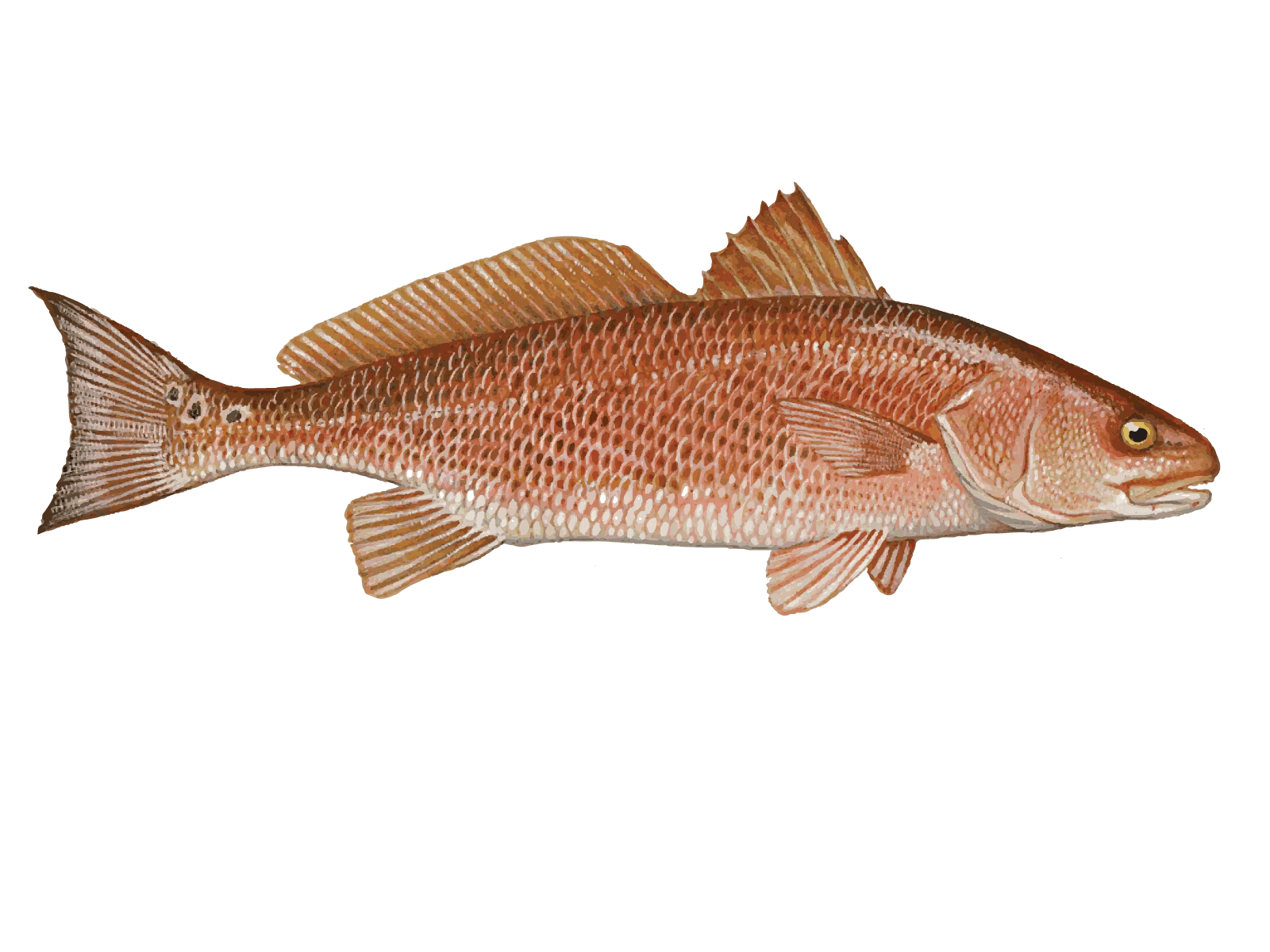
Redfish
Redfish are the perfect inshore target - tough fighters that eat well and aren't too picky about baits. Most run 20-30 inches around Naples, with those distinctive black spots near the tail and bronze-red coloring. They love super shallow water, often feeding in 1-4 feet around oyster bars, grass flats, and mangrove shorelines. You'll sometimes see their backs sticking out of the water - we call that "tailing." They bite year-round here, but fall and spring are prime when they school up. What makes them fun? They're aggressive strikers that'll hit topwater baits with explosive force, then make strong runs peeling drag. The meat's mild and sweet too. Look for nervous water or birds diving - that's usually redfish pushing baitfish up. Here's my go-to technique: throw a gold spoon or topwater plug past feeding fish and work it back through the school. Hang on tight.
Snook
Snook are the signature inshore species around Naples, and they'll test your skills every time. These fish average 1-2 feet, but the big females can push 4 feet and really bend your rod. Look for that distinctive black lateral line and sloped forehead - dead giveaway you've got a snook. They love structure, so we'll work mangroves, docks, and creek mouths where they ambush prey. Water temps are everything with snook - they're active spring through fall but get sluggish when it drops below 60. What makes them special? Pure attitude. They'll hit hard, jump, and try every trick to throw your hook. Plus, they're curious - often following lures right to the boat. The meat's excellent too, sweet and flaky. Pro tip: when working mangroves, cast tight to the roots and retrieve fast. Snook like their meals trying to escape.
Tarpon
Tarpon are the ultimate inshore challenge - pure silver lightning that can jump 10 feet and swim 35 mph. Most fish we hook run 80-100 pounds, but giants over 200 pounds patrol our waters. They move between shallow flats, channels, and deeper holes, often rolling on the surface to gulp air. May through September is peak season when they migrate through Southwest Florida. What makes tarpon special? Those jumps. When one goes airborne, shaking its massive head, you'll understand why they're called the "Silver King." The fight can last hours with larger fish. They're not great eating due to bony meat, so most anglers release them anyway. Medium tackle works fine - 5000-7000 reels handle them well. Key tip: when they jump, bow to the fish by dropping your rod tip toward them. It prevents the line from snapping tight and pulling the hook free.
About the Pathfinder (Bay boat)
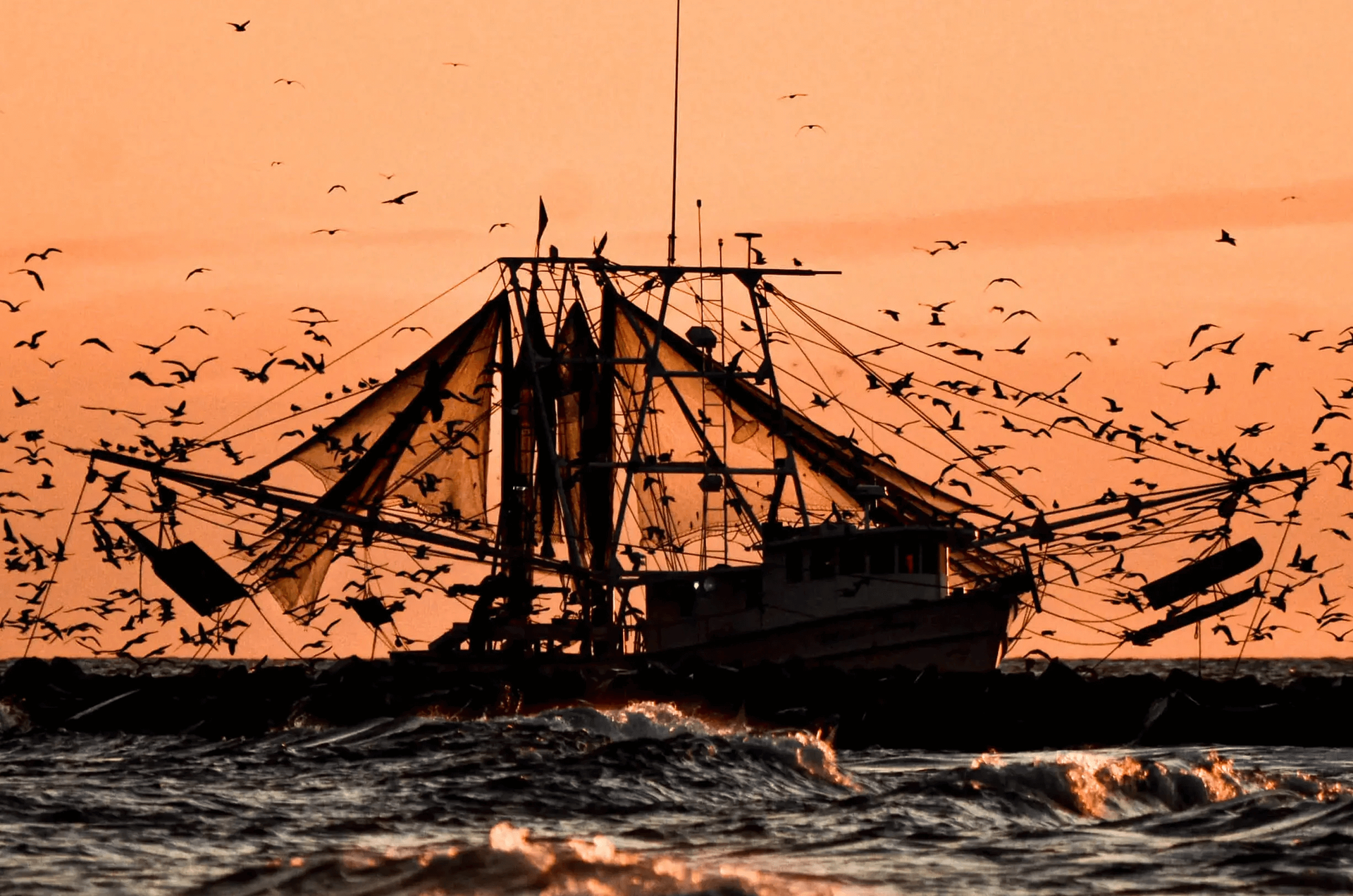
Vehicle Guest Capacity: 4
Manufacturer Name: Yamaha
Maximum Cruising Speed: 35
Number of Engines: 1
Horsepower per Engine: 250